Back & Neck Braces
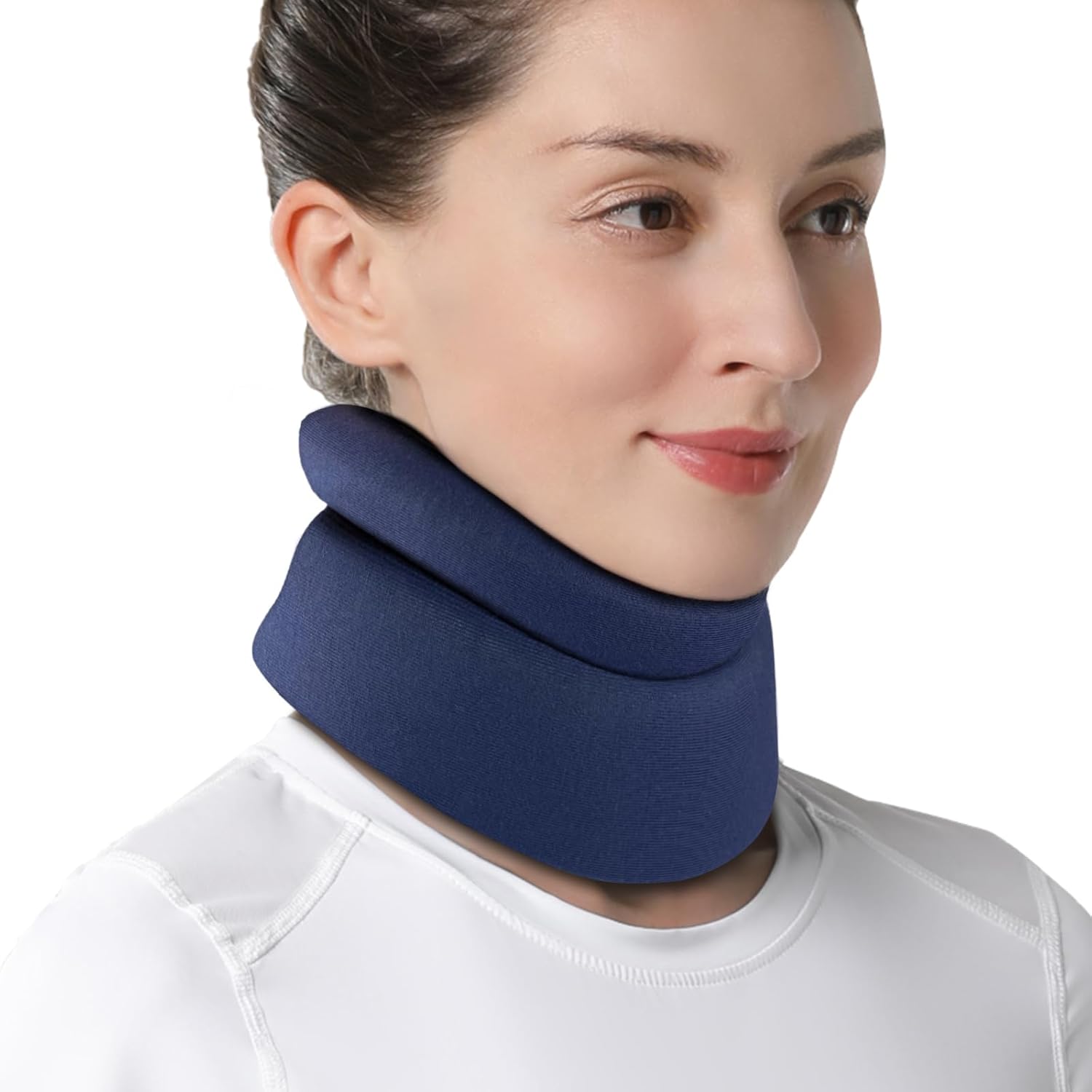
Soft Cervical Collar
For neck pain, minor cervical sprains, whiplash recovery, and post-procedure neck support.
Sizing Guide
Measure around your neck at the midpoint. Also measure from your chin to your chest (collar height). Match both measurements to the manufacturer's chart. The collar should fit snugly without compressing your airway.
Tips & Tricks
The collar should support your chin and keep your neck in a neutral position. You should be able to breathe and swallow comfortably. Wear over a thin cloth or liner if the foam causes skin irritation. Follow your clinician's instructions for wear time.
Common Mistakes
A collar that is too tall will push your chin up and extend your neck, which is the opposite of what you want. A collar that is too loose will not provide adequate support. Check that you can look straight ahead comfortably.
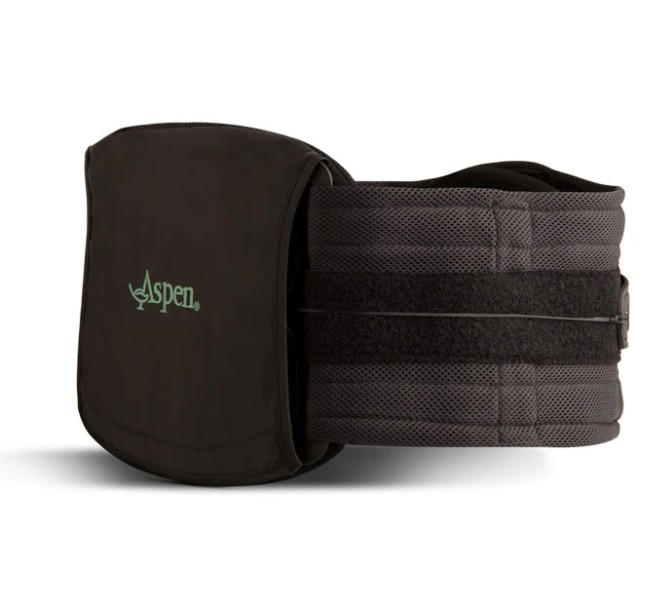
LSO (Lumbosacral Orthosis)
For low back pain, lumbar muscle strain, post-surgical lumbar support, lumbar instability, spondylolisthesis, and general lumbosacral support. Also called a lumbar support belt or lumbar back brace.
Sizing Guide
Measure waist circumference and torso height. Many adjustable LSOs (like the Aspen Horizon 637) fit waist sizes from 24 to 50 inches in one adjustable size, with optional extension panels for larger waists. Match to the manufacturer's chart and check the torso height.
Tips & Tricks
Lay the brace on a flat surface and adjust to the size indicated on the sizing chart before first use. Position the brace so the lower edge sits just above the hip bones and the back panel is centered on your spine. Most LSOs use a hand-crank or pulley system to tighten — make sure both sides are tightened evenly. Your surgeon or therapist will tell you when to wear it (often during standing, walking, and riding in cars) and when you can remove it.
Common Mistakes
Wearing the brace upside down or off-center reduces its effectiveness. Sleeping in the brace is usually not necessary and can be uncomfortable; check with your provider. Continuing to wear it past the prescribed recovery period can weaken the trunk muscles you need to rebuild.