Ankle Braces
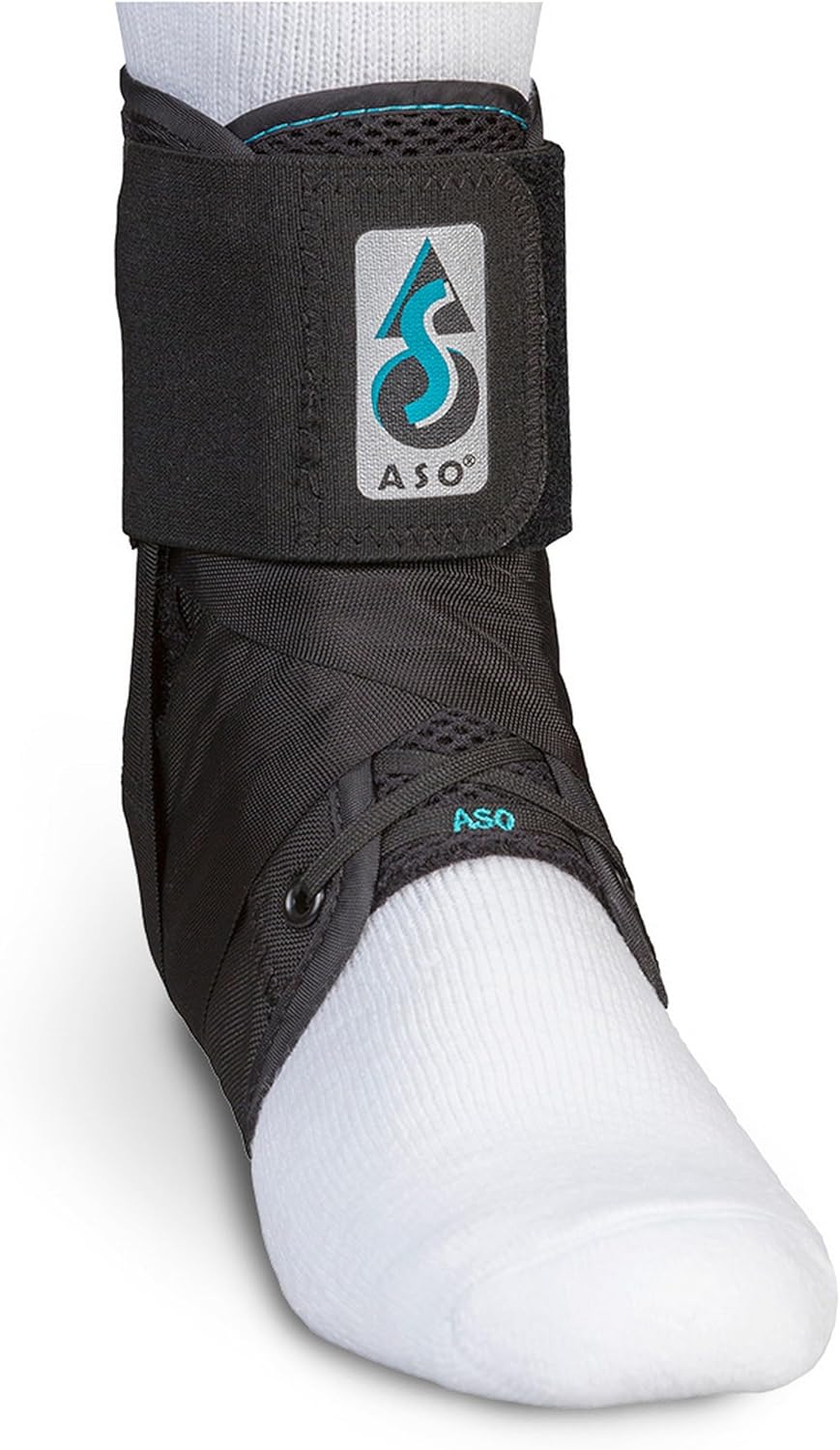
ASO (Ankle Support Orthosis)
For ankle sprains, chronic ankle instability, and return-to-sport ankle support.
Sizing Guide
Measure around your ankle at the narrowest point above the ankle bones. ASO braces fit inside most athletic shoes.
Tips & Tricks
Lace the brace like a shoe, then apply the figure-8 straps for extra support. The ASO is designed to fit inside your shoe.
Common Mistakes
Choosing a size too large reduces support. Make sure the figure-8 straps are used, as they provide most of the stability.
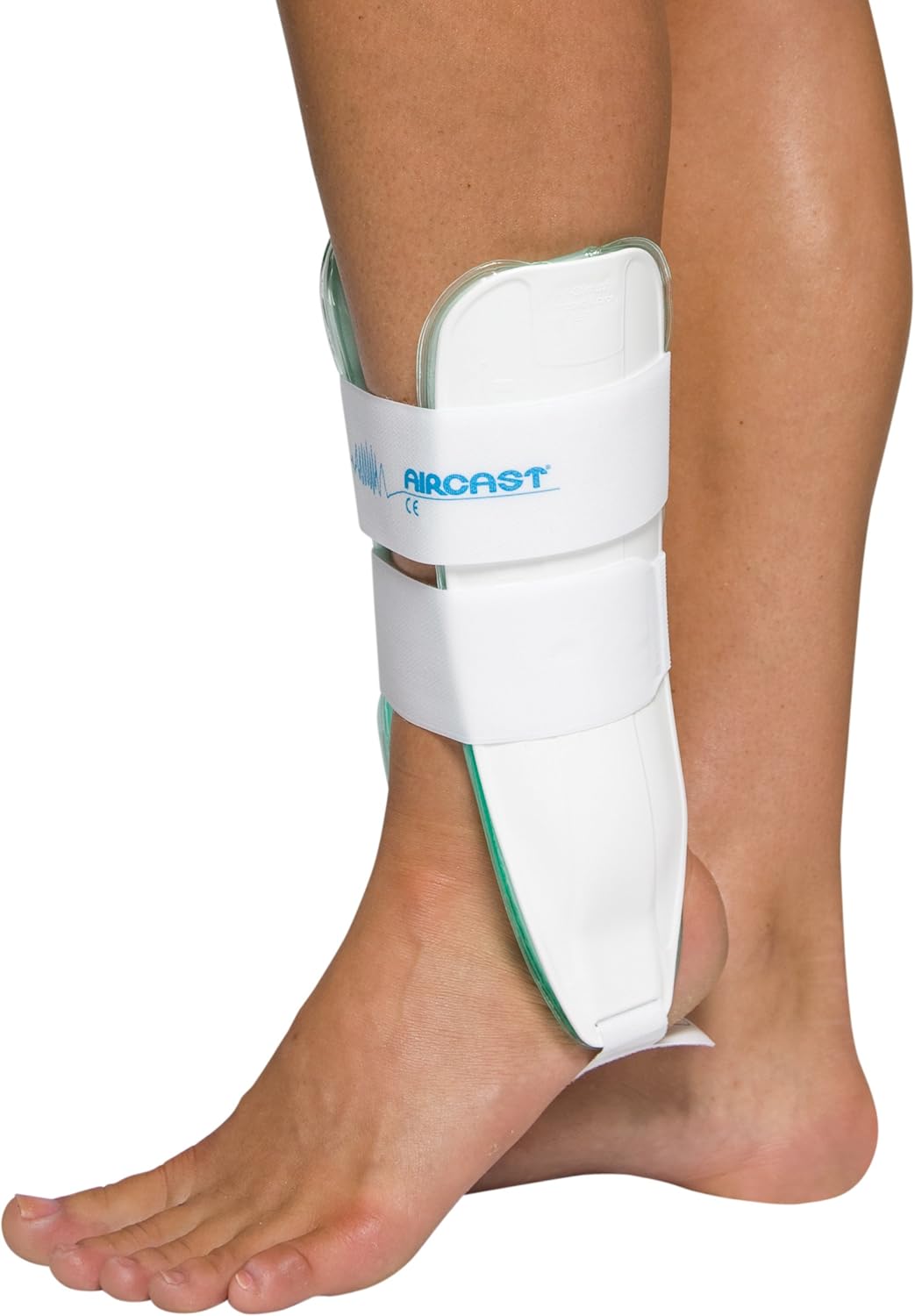
Aircast Ankle Brace
For acute ankle sprains, fractures, and post-injury support with air cell cushioning.
Sizing Guide
Aircast braces come in standard sizes based on ankle and shoe size. Some models are one-size with adjustable air cells.
Tips & Tricks
Inflate the air cells after putting on the brace for a custom fit. The air cells provide graduated compression to reduce swelling. Wear over a thin sock.
Common Mistakes
Not inflating the air cells means you are not getting the compression benefit. An Aircast is bulkier than a lace-up brace, so you may need a wider shoe.

Aircast A60 Ankle Support
For ankle sprains, chronic ankle instability, and athletic injury prevention. Low-profile design fits inside athletic shoes — lighter and less bulky than the classic Air Stirrup, with stabilizers angled at 60 degrees to guard against rollovers.
Sizing Guide
Sized by shoe size and foot side (left or right). Check the manufacturer's chart and pick the side that matches your injured ankle. The brace is designed to fit inside a typical athletic shoe without needing extra width.
Tips & Tricks
Slip the A60 on like a sock, position the stabilizers along the sides of your ankle bone, then tighten the single strap across the top. The 60-degree stabilizers should sit right against the lateral and medial sides — not too far forward or back. Wear over a thin athletic sock for comfort.
Common Mistakes
Choosing the wrong side (left vs. right) reduces support. The A60 is anatomically shaped, so the wrong foot will leave the stabilizers in the wrong position. Skipping the strap tightening means the stabilizers won't stay in place during activity. For severe acute sprains with significant swelling, the classic Air Stirrup with adjustable air cells is usually a better choice.
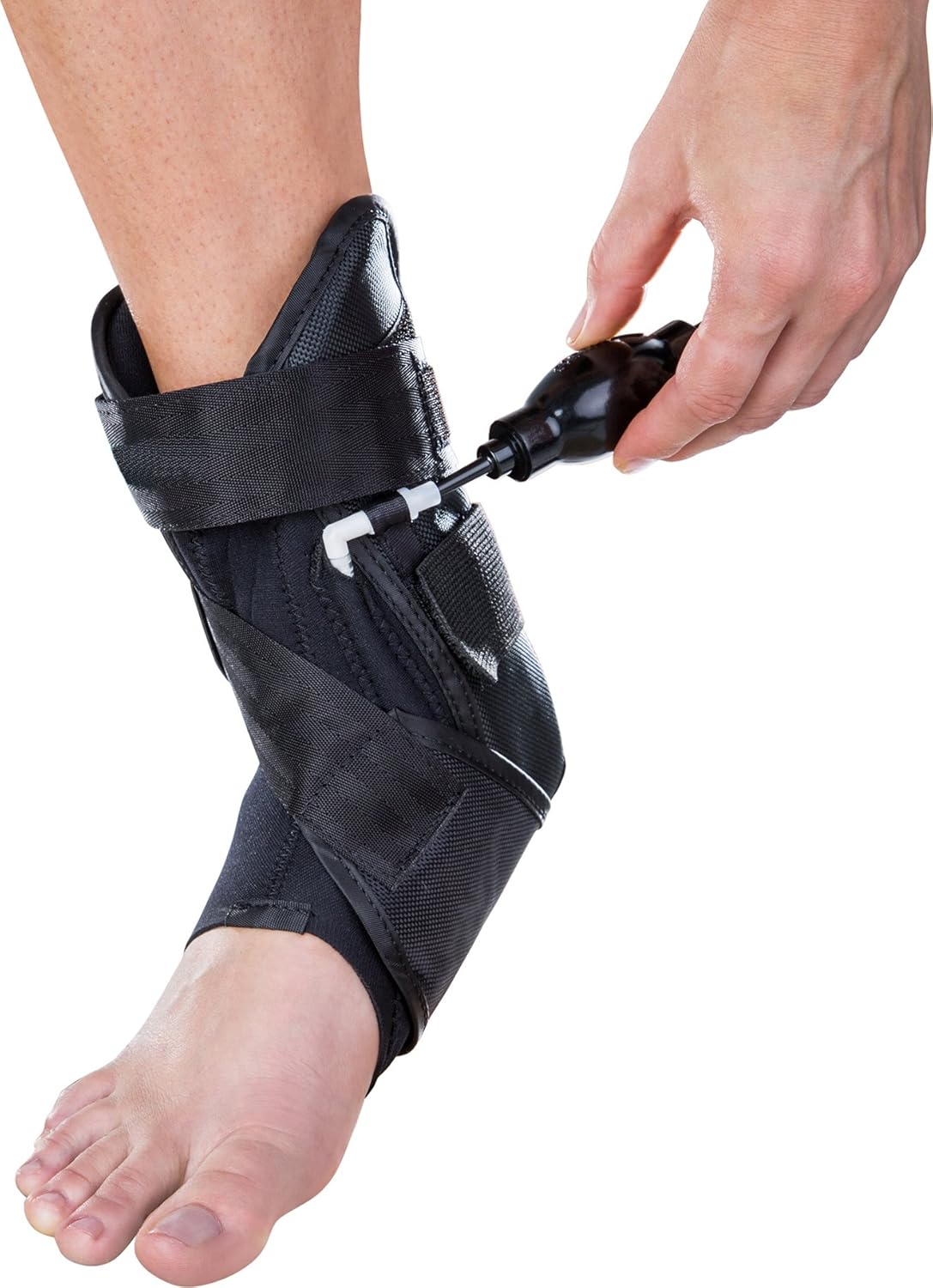
PTTD Ankle Brace (Posterior Tibial Tendon Dysfunction)
For posterior tibial tendon dysfunction (PTTD), early adult-acquired flat foot, and medial ankle pain. Supports the arch and stabilizes the ankle to relieve strain on the posterior tibial tendon.
Sizing Guide
Sized by shoe size and side. The Aircast AirLift PTTD brace sizes are: Small fits women's up to 8.5 / men's up to 7; Medium fits women's 9 to 12.5 / men's 7.5 to 11; Large fits women's 13 / men's 11.5 to 12.5. Pick left or right.
Tips & Tricks
The brace has a semi-rigid shell that wraps the ankle and an inflatable air cell under the arch. After putting the brace on, use the included hand bulb to inflate the air cell until you feel firm support lifting your arch — this takes pressure off the posterior tibial tendon. The rear-entry, two-strap design makes the brace easy to apply. Wear inside a roomy athletic shoe.
Common Mistakes
Skipping the air cell inflation eliminates the arch support that makes this brace different from a generic ankle brace. Wearing a regular lace-up or stirrup ankle brace instead of a PTTD-specific brace will not address the arch collapse. A shoe that is too tight will not have room for the brace.
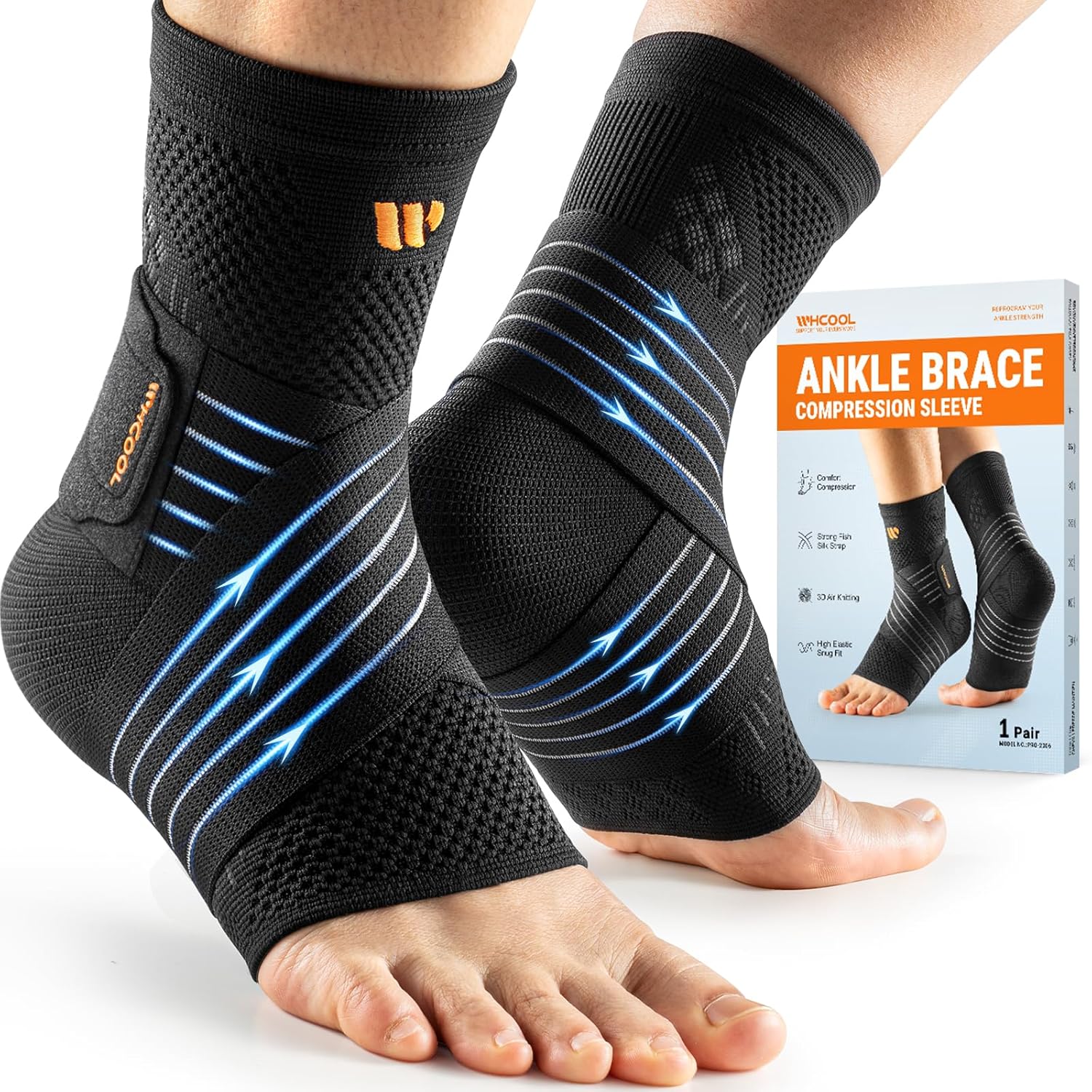
Ankle Compression Sleeve
For mild ankle swelling, general support during activity, Achilles tendonitis recovery, and arthritis discomfort.
Sizing Guide
Measure ankle circumference at the narrowest point above the ankle bones, and at the widest point of the foot at the arch. Match to the manufacturer's chart. The sleeve should fit snugly like compression wear without cutting in or bunching.
Tips & Tricks
Roll the sleeve on rather than pulling to avoid overstretching. The sleeve provides graduated compression and warmth, which helps reduce mild swelling and supports the joint during activity. Most patients wear them during exercise or long days on their feet, and remove them at night.
Common Mistakes
A sleeve that is too tight cuts off circulation and can cause toes to swell or turn cold. If you see skin bulging above the sleeve, size up. Compression sleeves are not a substitute for an ankle brace if you have a true injury or instability — they provide light support only.
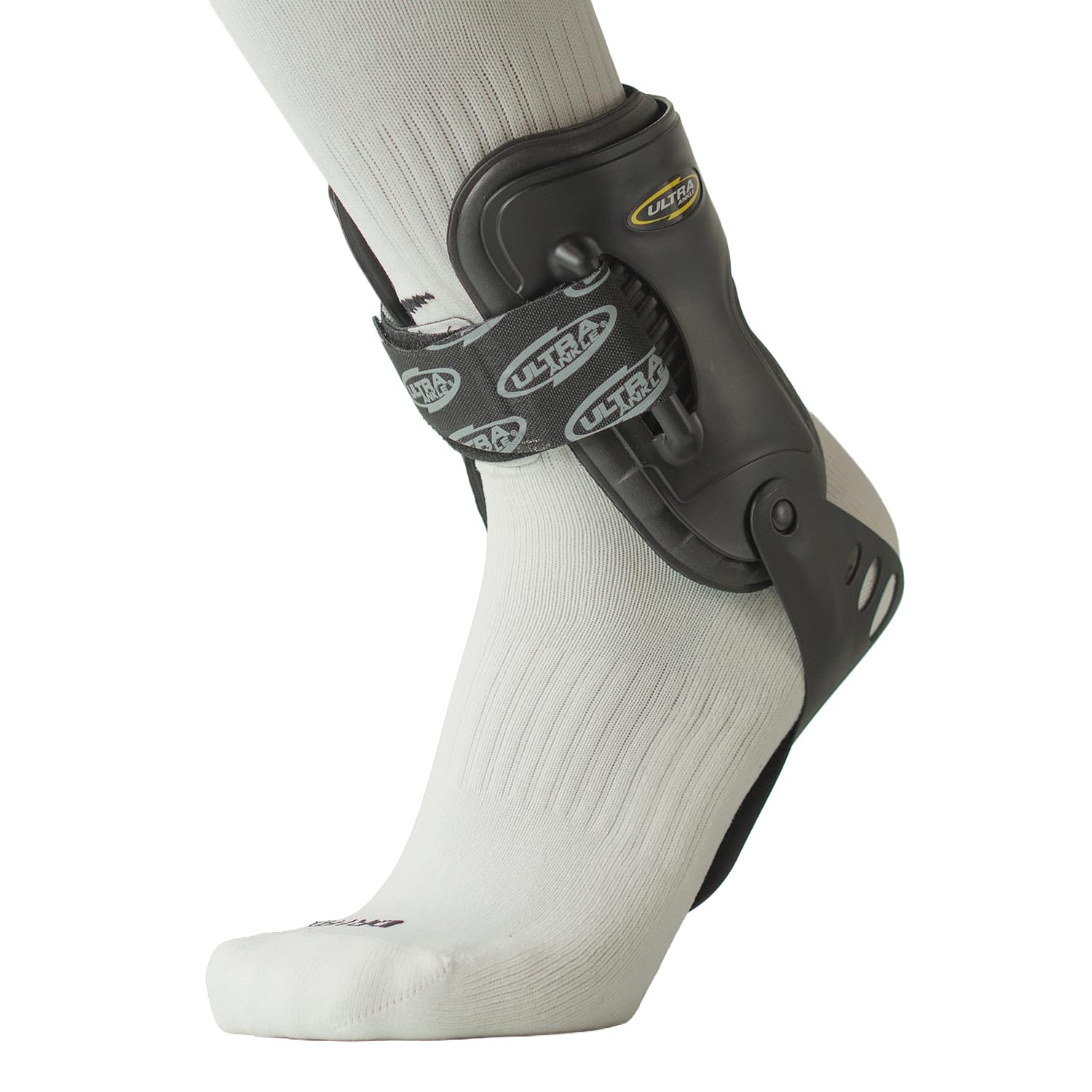
Hinged Rigid Ankle Brace (Ultra High-5)
For chronic ankle instability, recurrent ankle sprains, frequent rollovers, and patients who need a step up from a lace-up ASO without going all the way to a cam boot. The Ultra High-5 has rigid plastic uprights on the inside and outside of the ankle with a hinge at the ankle joint — that provides solid medial-lateral resistance to inversion and eversion while allowing normal up-and-down (dorsi/plantarflex) ankle motion. Fits inside most work boots and hiking boots, which is what makes it the go-to for active-aging adults who keep rolling ankles on uneven terrain.
Sizing Guide
One-size-adjustable in most cases; some versions come in S/M/L by shoe size. The brace fits over a sock and goes inside a closed-toe shoe or boot. Pick a shoe with a removable insole and enough depth — the brace adds bulk around the ankle. Confirm with the manufacturer's chart if your foot size falls at either end of the range.
Tips & Tricks
Put the brace on after the sock, snug the rigid uprights against the sides of your ankle (just BELOW the bony ankle prominences — not over them), and close the straps from bottom to top. Then slide the foot into the shoe. The rigid uprights are what stop the ankle from rolling inward (the most common sprain mechanism); the strap tension just holds the uprights in position. Tighten enough to keep the uprights snug, not so tight that you cut off circulation to the foot.
Common Mistakes
Wearing the brace without a sock — the rigid uprights chafe against bare skin. Positioning the uprights over the bony ankle prominences (medial/lateral malleoli) causes pressure pain within hours; the uprights belong just below those bones. A shoe that's too tight or too shallow won't accommodate the brace — you'll need a wider/deeper boot or shoe. This is the right tool for chronic instability and recurrent sprains; for an acute fresh sprain in the first 1-2 weeks, a cam boot or ASO with more circumferential support is often the better choice.